The Application and Development of Ceramic Blades in the Stationery Industry
Ceramic utility blades are quietly reshaping the modern stationery market. For decades, blades were almost synonymous with metal—steel cutters, steel hobby knives, steel razors. And ceramics? Most people still associate them with fragile cups or kitchen bowls. But advancements in ceramic material science have completely reversed this stereotype. Today’s high-performance ceramic utility knife blades, often made from advanced zirconia or alumina, are not only tougher than many steels but also dramatically more durable.
From art studios to classrooms, from professional design workshops to daily office use, ceramic utility blades are redefining how we cut, trim, debur, design, and craft. This innovation has launched a subtle yet significant transformation throughout the stationery world.
1. Key Characteristics of Ceramic Blades
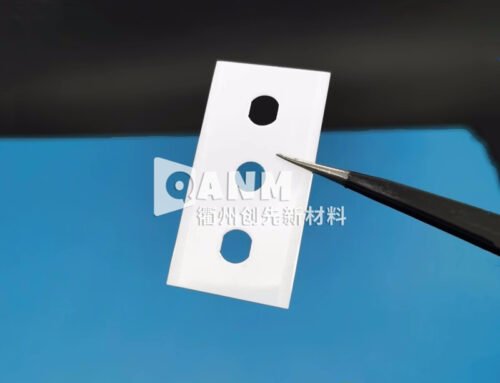
Modern ceramic blades—whether used in a ceramic blade box cutter, a hobby knife, or a leather swivel knife—are manufactured through high-temperature sintering and precision polishing. The result is a cutting tool with physical properties that surpass those of traditional metal blades.
• Exceptional Hardness & Wear Resistance
High-performance ceramics such as zirconia (ZrO₂) have a hardness second only to diamond. This lets ceramic utility blades maintain razor-sharp edges through extended use without dulling. In everyday stationery applications—cutting paper, cardstock, cardboard, vinyl, adhesive film, and more—ceramic blades last far longer than steel.
• Corrosion-Proof & Rust-Free
Ceramic blades exhibit near-complete chemical inertness. They don’t rust, oxidize, or corrode in acidic or alkaline environments. This makes a ceramic blade razor or box cutter ideal for offices, schools, studios, and other places that require high cleanliness.
• High Cutting Precision
The density and sharpness of ceramic materials allow for extremely accurate cutting. Edges remain clean and smooth, with no tearing or feathering—critical for art design, paper modeling, lettering projects, leatherworking, and precision crafts.
• Lightweight & Non-Magnetic
Ceramic utility blades weigh much less than metal, making them more comfortable for long periods of cutting. They also have no magnetic properties, which protects electronic components and prevents magnetic interference when used around tech devices or metal materials.
• Smooth, Non-Stick Surface
Ceramic blades resist buildup from inks, adhesives, or correction tape, making them ideal for stationery applications where cleanliness and consistency matter.
2. Applications of Ceramic Blades in Modern Stationery
The performance benefits of ceramic utility knife blades have led to widespread adoption across multiple categories of office and art tools. Below are some of the fastest-growing applications.
(1) Paper Cutters and Box Cutters
Paper cutters are among the most commonly used stationery tools. With a ceramic blade box cutter, users experience significantly improved durability and cutting consistency. Unlike metal blades, ceramic blades do not wear down or rust, nor do they generate heat during cutting—a major advantage when working with archival documents, specialty papers, cardstock, or adhesive-backed sheets.
Ceramic blades also reduce paper burnishing or edge darkening, preserving the clean and crisp look needed for presentations, packaging prototypes, and office documents.
(2) Art Knives, Hobby Knives & Craft Tools
In creative and design fields, tools such as the hobby knife and leather swivel knife rely on precision and control. Ceramic utility blades offer:
-
incredibly sharp cutting for paper art, vinyl crafting, bookbinding, leather carving, and stencil making
-
smooth edges without tearing
-
minimal blade degradation even after extended use
-
high stability for intricate details and fine carving
For artists who frequently cut foam board, chipboard, clay, EVA foam, or leather, ceramic blades deliver consistent performance and reduce tool maintenance time.
(3) Beauty & Nail Art Tools
The nail-care industry is increasingly adopting ceramic blade razors and cutters due to their hygiene and durability. Ceramic blades stay sharp, don’t rust, and glide smoothly, allowing nail technicians to shape, trim, or debur nail surfaces with greater control.
The lightness of ceramic blades reduces hand fatigue for professionals working long hours. Their resistance to chemical disinfectants also makes them ideal for salons.
(4) Letter Openers & Scissors
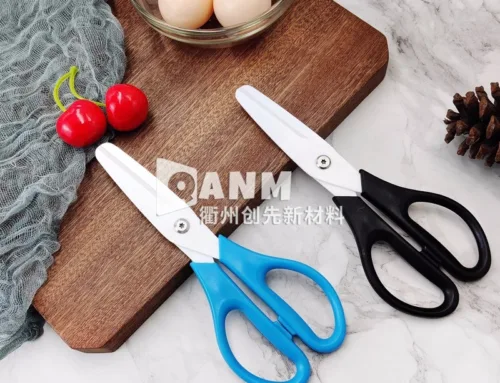
Stationery essentials like letter openers and scissors benefit from the long-lasting sharpness of ceramic utility blades. These tools stay smooth and precise even with daily use, making them reliable for mailrooms, offices, and home environments.
Because ceramic blades stay clean and rust-free, they maintain hygienic performance over time—especially important in shared office tools handled by many users.
(5) Pencil Sharpeners and Correction Tools
Ceramic blades are increasingly found in modern pencil sharpeners due to several advantages:
-
no heat generation, reducing graphite breakage
-
smooth sharpening motion
-
quieter operation
-
consistent sharpening angles
Similarly, correction tape tools use ceramic blade debur and cutting components to precisely trim tape film without scratching or tearing paper. This allows cleaner corrections and reduces jamming issues common with metal components.
3. The Advantages of Ceramic Blades in Stationery
Ceramic utility blades have gained strong market interest because they offer meaningful benefits in real-world usage:
• Longer Service Life
Their extraordinary hardness means ceramic blades stay sharp for months or even years depending on usage—far surpassing steel blades and reducing replacement frequency.
• Precision Cutting for High-Detail Work
For designers, illustrators, leatherworkers, architects, and crafters, clean edges and micro-precision cuts are essential. Ceramic blades deliver consistently smooth performance, making them ideal for hobby knife applications, paper modeling, and fine cutting.
• Improved Hygiene and Safety
Ceramic utility knife blades are non-magnetic, non-rusting, and resistant to chemical contamination. This reduces safety risks when working near electronics or precision materials. The blades also resist residue buildup from adhesives, inks, and correction fluid.
• Environmentally Friendly
Because ceramic blades last longer, fewer replacements are required. This reduces waste and aligns with sustainability goals in offices, schools, and art studios.
4. Challenges and Future Outlook
Despite their advantages, ceramic utility blades face certain challenges in mainstream adoption:
• Brittleness
Although extremely hard, ceramic blades can crack or chip under side pressure or if dropped. Users must handle them with more care than metal blades.
• Higher Cost
Advanced ceramic production is more expensive than metal stamping, leading to higher product prices. As a result, ceramic blades are currently more common in mid- to high-end stationery.
Future Development Trends
1. Composite Materials
Ceramic-metal or ceramic-polymer composites may increase toughness while retaining wear resistance, reducing brittleness and expanding usage scenarios.
2. Smart & Digital Integration
Future ceramics used in cutters or craft tools may feature sensors to monitor blade wear, pressure patterns, or cutting angles—creating smart ceramic blade cutters for technical and design applications.
3. Customization & Personalization
With the growth of 3D printing and small-batch manufacturing, ceramic utility blades may be customized by length, angle, or surface treatment to meet individual needs—particularly for artists, hobbyists, and leatherworkers using tools such as hobby knives and leather swivel knives.
5. Conclusion
The rise of ceramic blades represents both material-science progress and a quiet revolution in stationery tools. Their extreme hardness, lasting sharpness, corrosion resistance, and hygiene have made ceramic utility blades an increasingly important component of modern office tools, craft tools, and design instruments.
From ceramic blade box cutters in warehouses to hobby knives in art studios, from precision correction tools to premium pencil sharpeners, ceramic blades are transforming how people cut, craft, design, and create. As manufacturing technology evolves and costs gradually drop, ceramic utility knife blades will continue expanding into mass-market stationery—opening new possibilities for daily work, professional design, and creative expression.